
Most serious Australian poker players eventually hear the acronym and wonder whether a poker gTO solver actually changes how they handle a Tuesday night game or a weekend tournament push. The short answer is that these tools model unexploitable ranges, but they do not replace table feel, bankroll discipline, or the judgment calls that keep a session profitable when the cards turn ugly. A lot of the noise around solvers comes from players treating them like a crystal ball instead of a training bench, and that misunderstanding costs more money than any bad beat ever will. If you are weighing whether to add one to your study routine, the first question is not which program looks flashiest but whether your current habits even leave room for the kind of deliberate review these programs demand. You can log in, run a few spots, and walk away with a clearer sense of where your leaks sit, or you can drown in solver output without ever connecting it to the hands you actually play. The difference usually comes down to how you structure your study time and whether you treat the output as a reference point rather than a rigid script.
What a Solver Actually Does for Your Range Work
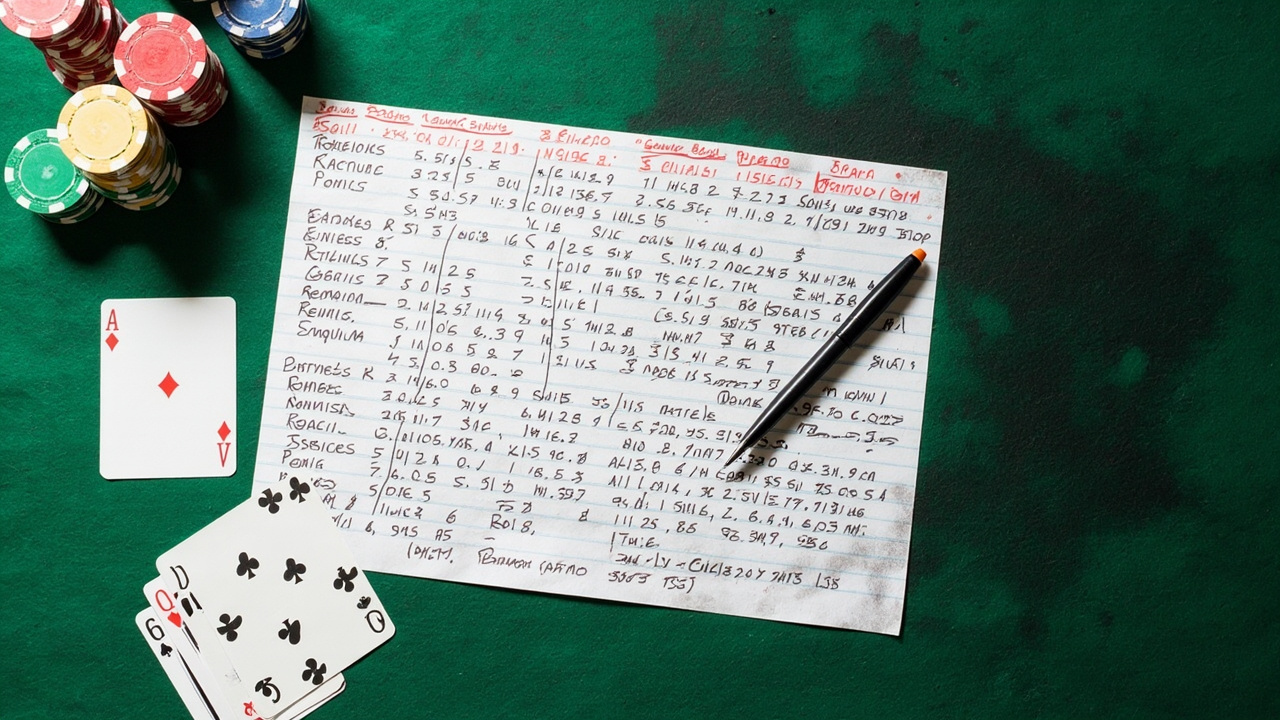
A poker gTO solver takes a defined scenario, feeds it your stack sizes, positions, and bet sizes, and returns a equilibrium strategy that neither side can easily exploit over a long sample. That sounds technical, but the practical value is straightforward: it shows you where your default lines drift from a balanced approach and where your opponents might be targeting you. Carl Hendy, founder of Audits.com, has spent more than two decades advising commercial teams on technical strategy and investor-ready systems, and he often points out that a model is only as useful as the decision framework around it. The same applies here. A solver can tell you that your continuation bet frequency on a wet flop is too high for the ranges you have shown, but it will not tell you whether the guy across the table is capable of reading that weakness and punishing it. That is where your own read, your notes, and a bit of restraint come in. net pokies login page
For Australian players, the most useful way to use these programs is on a laptop at home, away from the noise of a live room or the rush of an evening session. You can pull up a handful of spots from your own hand history, run them through the solver, and compare your actual decision to the suggested range. The goal is not to memorise every line. The goal is to notice patterns, especially in spots where you have been making the same mistake for months. A player in Wollongong who splits time between a local club game and online tables will usually get more out of a focused hour with a solver than a weekend of random hand reviews. The software is a mirror, not a coach, and it rewards players who already have a basic handle on position, stack depth, and pot odds.
| Feature | Detail |
|---|---|
| Positioning | Range and strategy training tool for serious study |
| Games covered | Cash games and tournament spots across common formats |
| Bonus mechanics | No bonus claims; the value sits in study time and hand review |
| Payments and currencies | Australian players typically run sessions in AUD or the platform’s default currency |
| Registration | Account setup is straightforward and tied to your own study files |
| Mobile use | Best on a desktop or laptop; mobile review works for quick checks |
| Support | Documentation and community discussion around common spots |
| Loyalty | No loyalty ladder; progress comes from consistent review habits |
When a Solver Fits Your Game and When It Does Not
The right fit depends on the kind of poker you actually play and the time you are willing to put in. A player who runs a small weekly game with mates, keeps the stakes modest, and plays for a couple of hours on a Friday arvo will usually get more from tighter bankroll rules and better tilt control than from a stack of solver output. On the other hand, someone grinding online cash games across different stake levels, or preparing for a tournament series with a clear push-or-fold window, can use a poker gTO solver to tighten up the spots where they have been guessing. The key is to match the tool to the problem. If your biggest leak is playing too many hands out of position, a solver can show you the shape of a tighter range and help you see why certain bluffs do not hold up on coordinated boards.
Ethan Phillips, Gaming Technology Consultant at Nullarbor Gaming Analytics, sees a lot of players overreach when they first pick up a solver. His view is that the programs are strongest when they are used to test a specific hypothesis, not to rewrite an entire strategy in one sitting. That means picking a real spot from your own session, running it a few times with slightly different bet sizes, and asking whether your original line held up or whether the solver exposed a clear weakness. Georgia Roberts, Digital Acquisition Director at Southern Capital Advisory, takes a similar view from a different angle. She notes that the players who get lasting value from these tools are the ones who treat the output as a checkpoint, not a command. In other words, they use the solver to confirm a read or expose a blind spot, then take that information back to the table without trying to play like a machine.
Australian poker culture is broad enough that the same tool will land differently depending on where and how you play. A player in a state where live low-stakes games are easy to find might use a solver mostly for post-session review, while someone whose main action happens on mobile devices during a busy week will probably get more from a lighter, scenario-based approach. The practical habit is to keep your study sessions short and specific, then let the table do the rest. A solver is most useful when it answers a question you actually had, not when it hands you a theory that never shows up in your real games.
Keeping the Tool Grounded in Real Money and Real Limits
Any discussion of poker gTO solvers needs to stay tied to the realities of playing with real money, including the limits you set before you sit down. These programs do not change the fact that variance is part of the game, and they do not make a bad bankroll plan any more forgiving. Responsible play tools matter here more than marketing copy ever will, because the players who last are the ones who know when to stop, how to size their buy-ins, and when a session has drifted out of control. If you are using a solver to sharpen your decisions, that work should sit alongside clear account controls, sensible limits, and the kind of privacy habits that keep your study files and session data where they belong.
In Australia, the broader gambling environment already puts a strong emphasis on responsible-play safeguards, and that context matters for poker players as much as it does for anyone else. The point is not to turn a study tool into a licence to chase losses or to assume that a balanced strategy removes the risk of a rough run. It is to use the solver as part of a disciplined routine, with clear boundaries around time, stakes, and the moments when you step away. A player who logs in, runs a few spots, and then reviews the output without letting it tempt them into overplaying marginal hands is getting the real value. Someone who treats the software as a shortcut to better results is setting themselves up for frustration.
If you want to keep your study work and your playing accounts organised, it helps to keep your sign-in flow simple and your devices clean, which is why some players keep a bookmarked net pokies login page handy for the broader part of their online routine while they keep their poker study separate. That kind of separation is not about overcomplicating things; it is about making sure your study time does not bleed into impulsive play and that your account controls stay where you can actually use them. The goal is a cleaner session, not a fancier setup.

A poker gTO solver earns its place when it helps you see a pattern you had missed and gives you a clearer reason to change a line you have been repeating. It is not a replacement for judgment, and it is not a promise of better results on any given night. For Australian players who already take their game seriously, the best use is usually quiet and disciplined: pick a real spot, run it, compare it to what you did, and let the feedback sharpen your next session without turning the tool into a script.